


3D model of ancient octopus patterned eggshell cup replica
It is a very delicate and artistically valuable ancient ceramic product. The name comes from its eggshell thin cup wall, which was very advanced in ceramic production technology at that time. The production technology of eggshell cups reached its peak during the Minoan civilization (around 2000 BC to 1700 BC), especially during the Middle Minoan period. The Minoan civilization is an important component of ancient Greek civilization, mainly distributed on the island of Crete. Known for its exquisite pottery, murals, and sculptures, the Eggshell Cup is an outstanding representative of its ceramic art. He is an outstanding representative of the Minoan civilization's ceramic art.

Ceramic Oil Bottles from Ancient Greece - Igleio Archaeological Museum
It is a ceramic oil bottle from ancient Greece, usually used to hold olive oil and also used as a burial object for the deceased in funeral ceremonies. The design is usually small and exquisite, with various patterns and decorations painted on it, and is one of the representatives of ancient Greek pottery art. This pottery from the classical era, dating back to the 5th century BC, was discovered near Ragusa on the island of Sicily in Camarina, Italy. It is currently housed in the Igleio Archaeological Museum in Ragusa. The archaeological sites and museum collections of Kamarina provide us with valuable historical and cultural information, allowing us to glimpse the glory of ancient Greek civilization.
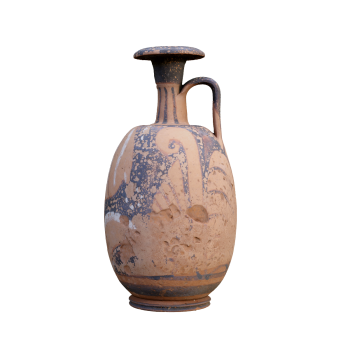
Small Ceramic Containers from Ancient Greece - Collected by the Ragusa Archaeological Museum
It is a small container in ancient Greece, usually used to hold perfume or oil, especially when athletes are bathing. Compact in shape, spherical or spherical in shape, with a narrow neck. The origin can be traced back to the classical period, around the 5th century BC. In the city of Ragusa on the island of Sicily, Italy, there is an archaeological site called Camarina, where a ceramic container belonging to the classical period has been unearthed and is now housed in the Ragusa Archaeological Museum. Featuring exquisite craftsmanship and possible decorative patterns, it reflects the artistic style and aesthetics of ancient Greece. It is a daily item in ancient Greek culture and a reflection of art and craftsmanship.

Chancay culture monkey shaped pottery container
It is a ceramic artwork in the Chancay culture, created around 1300 to 1500 by an unknown Peruvian artist. Usually used for storing water, which is crucial for survival in the dry desert climate where one resides. The Chancay culture is located in the central coastal region of Peru, where the climate is hot and dry, but there are some oases connected to distant areas of the Andes mountain range, allowing for communication with other cultures and communities, trading plants, food, and other agricultural products. On both sides of the neck are a pair of monkeys, both covering their mouths with their hands. The monkey's tail curves upwards and connects to the neck of the container.

L é cito Ancient Greek Ceramic Small Bottle Container - Yale University
It is a term used in ancient Greece to refer to various types of small bottles, which share the common feature of being used as containers for holding oil. It is a jar with a narrow bottleneck and a deep mouth. This container is not only used to store oil, ointment and perfume in the family, but also the l é cito decorated with a white background is used as a sacrifice to the dead. This work was produced in the Attica region around 500 BC and belongs to the Athenian painter. The scene depicts the sea god Poseidon riding a seahorse. Now collected at Yale University.

Popular Models
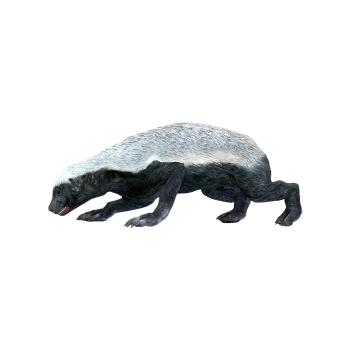
Honey Badger (3D animated model)
192 View
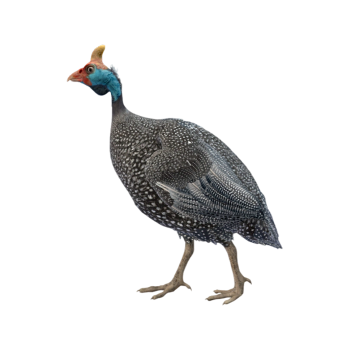
Guinea fowl (3D animated model)
163 View
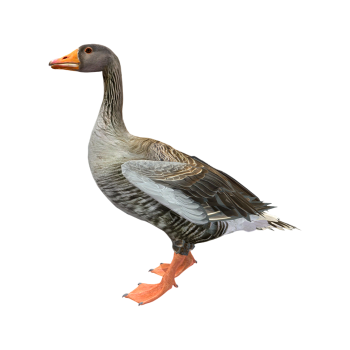
Wild Goose (3D animated model)
185 View

Red Fox (3D animated model)
153 View
Random Model
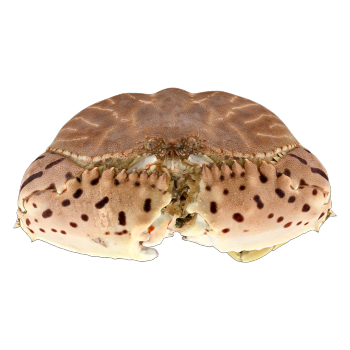
Curled Mantou crab
871 View


Hippopotamus (with 3D action model)
1198 View


Whale headed Stork Specimen
1106 View